
Imports & Exports · 7 min read
How to Import Rice from India: A Step-by-Step Buyer's Guide
From choosing basmati or non-basmati to incoterms, documents and port clearance — everything a first-time rice importer needs.
1. Choose your variety and grade
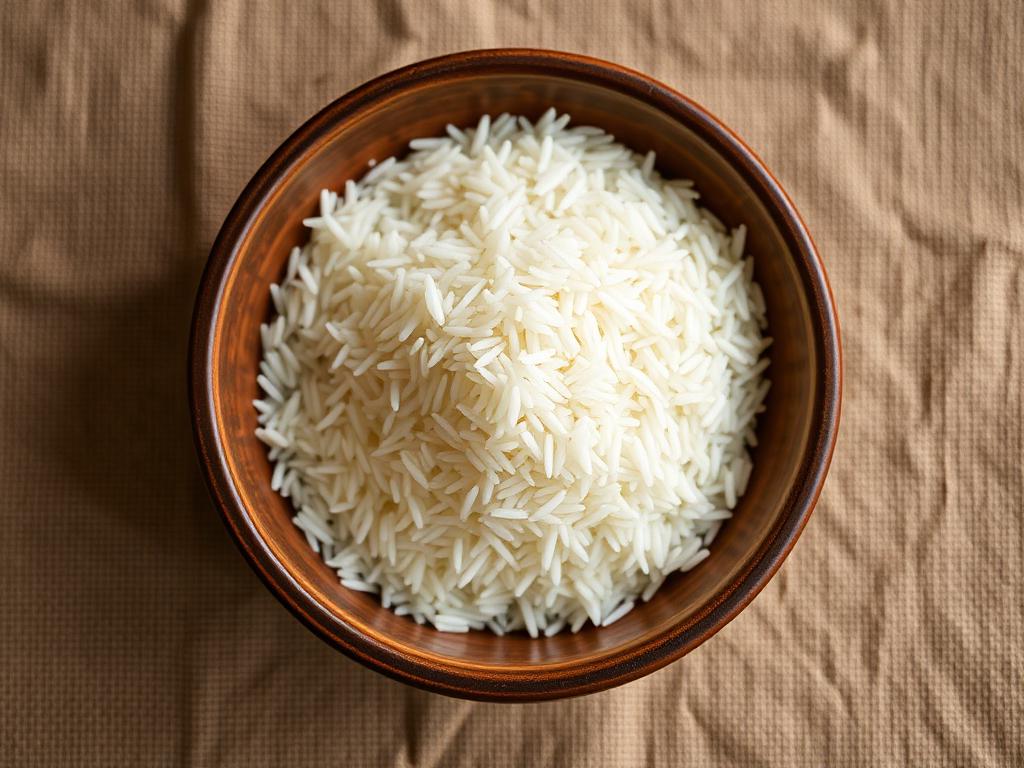
India exports two broad families: basmati (1121, 1509, Pusa) and non-basmati (Sona Masoori, Ponni, IR64, parboiled). Decide on grain length, broken percentage, moisture and whether you want raw, steam or sella (parboiled) processing.
Always ask for a pre-shipment sample and a written specification sheet before you commit to volume.
2. Agree the trade terms
Most container rice is sold FOB (you arrange freight) or CIF/CFR (the exporter arranges freight to your port). Confirm the incoterm, payment terms (LC, advance, or part-advance) and packing — 25 kg or 50 kg PP / jute bags, or retail packs.
3. Documents you should receive
Commercial invoice, packing list, bill of lading, certificate of origin, phytosanitary certificate, fumigation certificate and, where required, a quality/quantity inspection report from SGS or similar. Basmati shipments to some markets also need an APEDA registration-cum-allocation certificate.
4. Clearance and delivery
Share your importer licence and local food-safety registration with your customs broker early. Check your country's HS code 1006 duty rate and any residue (MRL) rules before the vessel sails.
Ready to source from India?